
Reading Fabric Labels Like a Stylist
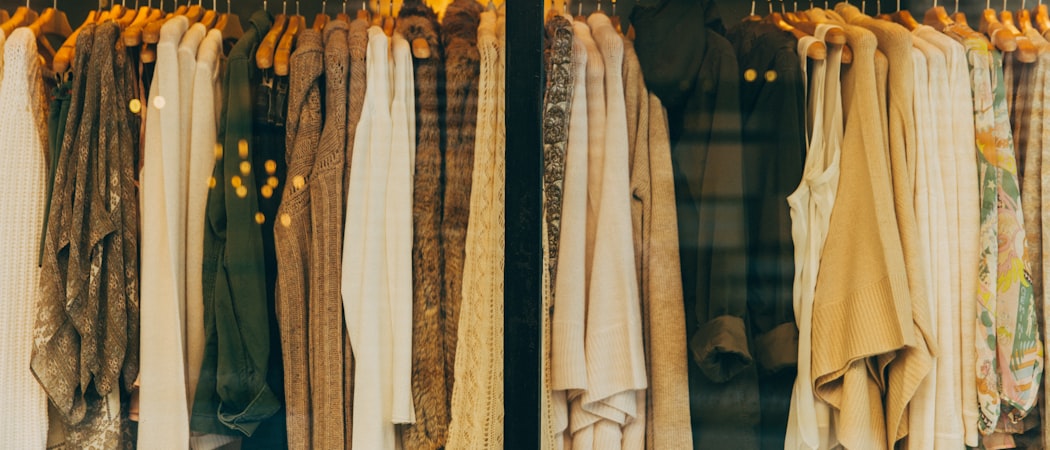
Fabric composition percentages aren't just fine print — they predict how a piece will behave over time. 100% cotton breathes well but wrinkles easily; a cotton-elastane blend resists wrinkling but won't breathe quite as well in heat. Neither is better, they just suit different pieces.
Linen, like the fiber in our Relaxed Linen Shirt, creases by nature — that's texture, not a flaw. Wool blends, like the Tailored Wool Blazer, hold a pressed line far longer than cotton ever will. Once you know what a fabric is built to do, choosing the right piece for the right use gets a lot easier.
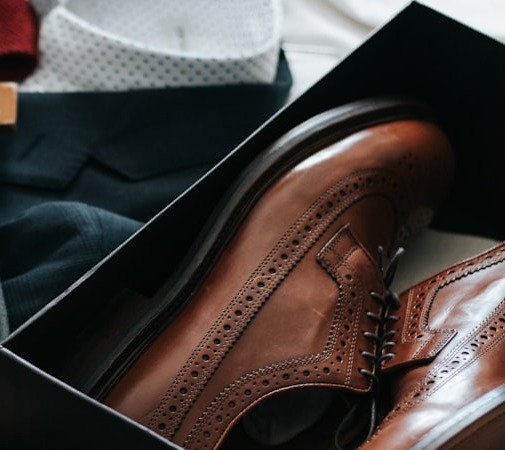
The label tells you more about how a garment will age than the price tag ever will.
Cotton, linen, wool, and everything in between — a quick primer on what each material means for fit, feel, and care. Linen, like the fiber in our Relaxed Linen Shirt, creases by nature — that's texture, not a flaw. Wool blends, like the Tailored Wool Blazer, hold a pressed line far longer than cotton ever will. Once you know what a fabric is built to do, choosing the right piece for the right use gets a lot easier.
02 Comments

Zora Hendricks
April 9, 2026 at 6:03 pm
Never really paid attention to fabric composition percentages before this. Makes a lot more sense now why some pieces wrinkle and others don't.

Callum Doyle
February 17, 2026 at 8:24 am
Would read a longer version of this — the linen versus wool-blend comparison was the most useful part.
Leave a Comment
Recent Posts

5 Wardrobe Essentials That Never Go Out of Style
How to Style One Blazer Four Different Ways
The Case for Investing in Better Denim